
It’s a well-documented fact that Apple lags in the race for AI-dominance. While smartphone and notebook competitors have long launched ‘intelligent’ AI-enabled devices, Apple has yet to make an impact in this domain. But change is happening, and you can look forward to some big announcements at Apple’s September event.
A revamped Siri AI launched at WWDC 2026, this June received positive reviews though it has much catching up to do with Google Gemini, regarded as the gold standard in AI assistants. And then, there’s the new Apple Intelligence, that was also announced at WWDC 2026.
But what does Apple really need to get its AI mojo?
From my reading, I think it will be a combination of privacy + Apple Intelligence + Apple Silicon.
Let’s take look at each.
Most Private Browser
While watching the FIFA World Cup tournament matches on TV this month, I ran into Apple’s ads that proclaimed Safari as the world’s safest browser. The brilliant ads underscore the importance of user privacy, online – and how the Safari browser ensures it by blocking trackers.
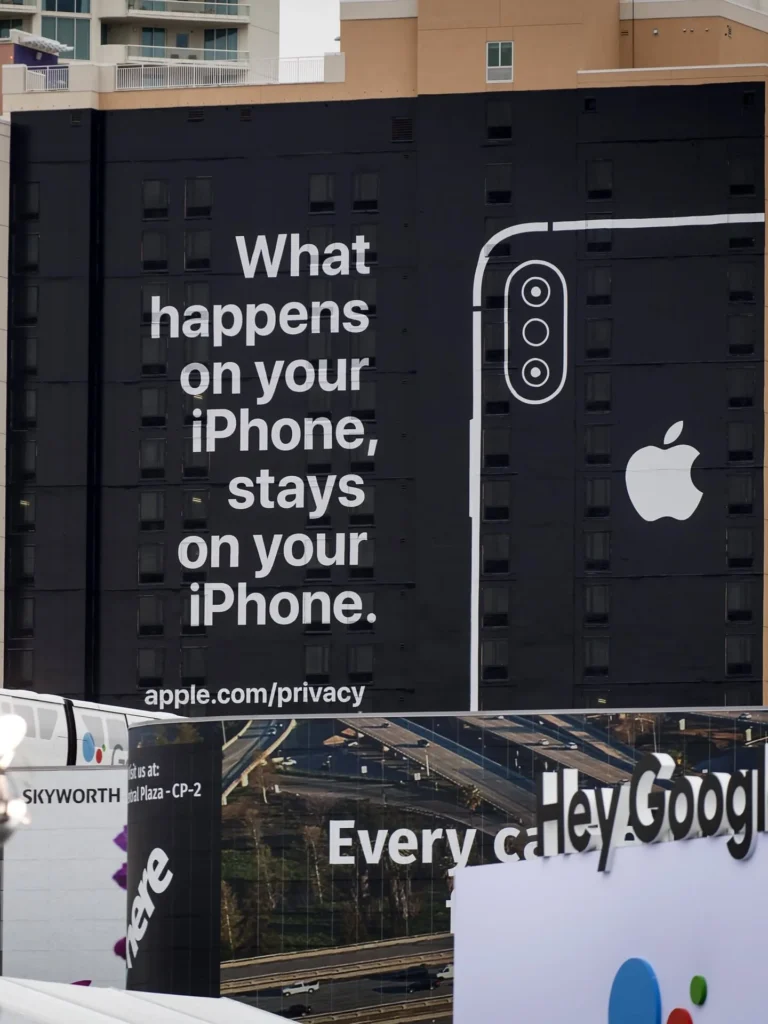
If you walk into an Apple store anywhere in the world, you would notice large posters on the walls and glass doors with the word ‘Privacy’ in a huge point size.
But Apple isn’t the only company that takes privacy and security seriously.
You will remember that there was once a smartphone company called Blackberry Ltd. that sold beautiful phones with physical keyboards. I owned one too and wish I could be using it today.
Well, the big selling point for Blackberry devices was security and privacy. They were very secure devices with encrypted messaging. They were used by heads of state and corporate leaders.
Blackberry phones also had a feature that segregated personal and work data – enabling a user to use their personal devices at the workplace. And then we heard about BYOD or bring your own device.
Blackberry stopped manufacturing its phones in 2016 and licensed the design and manufacturing to partners in the South East Asian market and China. BlackBerry Limited transitioned to providing software and services and it holds critical software application patents. And these would be mainly for its privacy and security intellectual property that made its phones so secure.
Apple can borrow a page from the Blackberry playbook. Apple owns the whole stack (hardware, software, applications) and it has rich ecosystem of partners who make apps and create services for the Apple platform.
Apple has complete control of anything on its platform. There is water-tight integration of all components in the Apple stack.
So, security and privacy are better than what you get on say, Android or Windows.
A combination of privacy and Apple Intelligence could help Apple catch up with Google, Samsung, Meta, Qualcomm and others who are far ahead in this race.
Siri AI
The first version of Siri, Apple’s AI assistant, failed to make the impact that users were expecting. Google Voice Assistant running on Android devices was far superior. It’s now known as Gemini.
Apple finally conceded to that fact and turned to Google for help. In a joint statement issued in January this year, Google said it would help Apple develop “a more personalized” version of Siri. The result of that partnership is Siri AI, released at WWDC 2026.
Apple also announced a major relaunch of Apple Intelligence at WWDC 2026, headlined by a complete redesign of Siri into Siri AI. This reboot introduces deeper personal context, on-screen awareness, cross-app actions, a dedicated conversation app, and backend model integration via a partnership with Google Gemini.
Apple Intelligence
Apple’s AI journey began in 2017, when Apple built a neural engine into its products. John Giannandrea, Google’s AI manager, joined Apple in 2018. Giannandrea and his team at Apple rounded up the company’s machine learning talent to infuse AI into Apple software products. They built an AI layer for the whole product line.
Later, Apple CEO, Tim Cook brokered a deal with OpenAI so that its customers could have access to ChatGPT, the gold standard in chatbots. Apple also began to focus on privacy, to build trust in AI. Cook understood that user data need not go to the cloud for processing – that could be done on the device itself. And that was the birth of Apple Intelligence.
For complex workloads, there’s Private Cloud Compute, where data is processed in secure regions of Apple data centers.
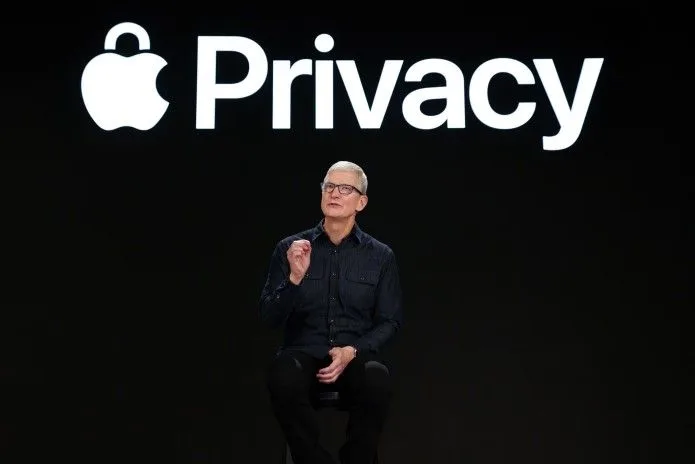
Around 2024, Cook began to focus on Apple Intelligence, hoping this would make Apple a major player in the intelligent devices arena. But the first release of Apple Intelligence did not make the impact that the company was hoping for.
Apple Intelligence is a personal artificial intelligence system built directly into iPhone, iPad, and Mac. It uses on-device and cloud models to summarize text, edit photos, and upgrade Siri. It was first incorporated in the iPhone 15 line-up and in devices using the M1 processor.
The Apple release issued in January this year, stated that the next generation of Apple Foundation Models will be based on Google’s Gemini models and cloud technology.
That could give Apple Intelligence fresh momentum. The Apple website tells us to expect new Apple Intelligence features later this year, for iOS 27, iPadOS 27, macOS Golden Gate and watchOS 27. I am expecting this to be announced at Apple’s September event.
According to Bloomberg correspondent Mark Gurman, Apple plans to overhaul its MacBooks in a push to meet AI demand.
Apple Silicon
Hardware and chips are also crucial for AI dominance. While Apple has been manufacturing its own CPUs for its devices, it has occasionally sourced silicon from Intel. Few know that, in 1990, Apple invested $3 million in ARM for 30% ownership. ARM is a manufacturer of high-energy efficiency, low-heat output and compact microprocessors. ARM processors are used in nearly all modern smartphones, tablets, and a growing number of personal computers and data centers.
I mention this, because neural processing units, or NPUs, are crucial for processing AI workloads on devices like laptops and phones.
Once Apple has its own AI chip, it would, in effect, have the full AI stack.
Apple has already began infusing AI into its own applications and we can soon expect third-party AI applications on the Apple App store.
The Privacy Card
With that background, we can now revisit the privacy discussion.
Currently, everyone is talking about establishing ‘Trust’ in AI. Building ‘trustworthy’ AI is a phrase used in many conferences and webinars.
There is a concern about personal or enterprise data going to public models, as users help themselves to their own gen AI applications.
Apple can help by building an AI governance layer.
This feature could be a strong selling point for Apple devices used in the enterprise.
Remember the Blackberry playbook?
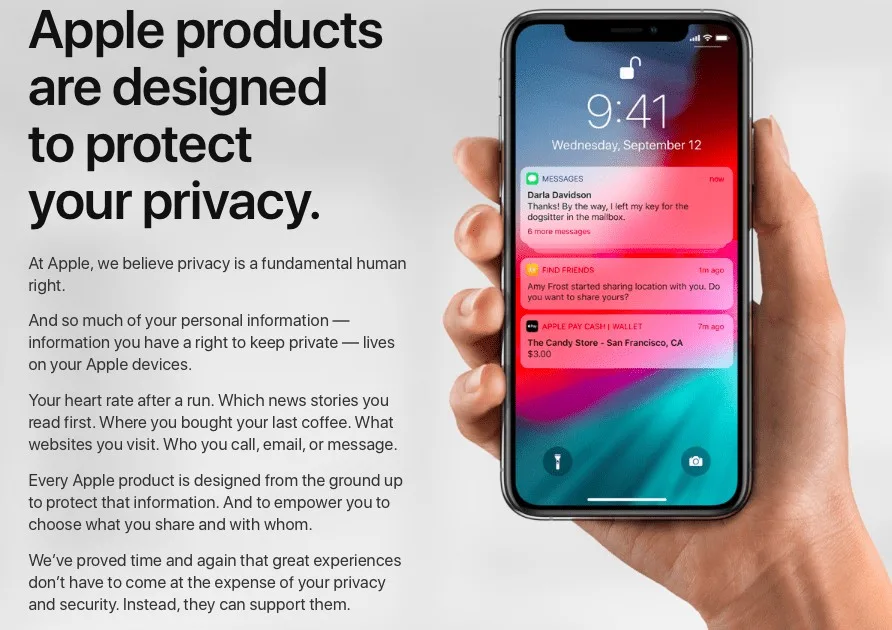
If Apple could ensure that sensitive data stays in the device, and is processed on the device (with its own NPUs), then it could make Apple Intelligence trustworthy.
And that’s how Apple could get its AI mojo.
Privacy + Intelligence + Silicon is the winning formula in the age of AI.
The writer is former Editor-in-Chief of CHIP Magazine, India. He has tested Apple products in the CHIP Test Center, Mumbai. He also bought Apple devices for his personal use.